The Origin of Cozy Stickerville
It was December 2023. Two months ago, I had wrapped up work on my latest game (The Mandalorian: Adventures), and I was trying hard to answering a big question: “What game is next for Unexpected Games?”
Creating new games has been my passion since I was a kid, but I was drawing a blank slate. I’d designed over 20 games in the last 18 years. So many different in so many genres. I was having trouble coming up with something that wasn’t just retreading old ideas.
I’d spent the last 2 months tinkered with a few prototypes while also laying the groundwork for an expansion to The Mandalorian: Adventures. I had some cool game ideas, but every prototype I made just fizzled out or felt like a game that already existed. I was frustrated, disappointed, and lost.
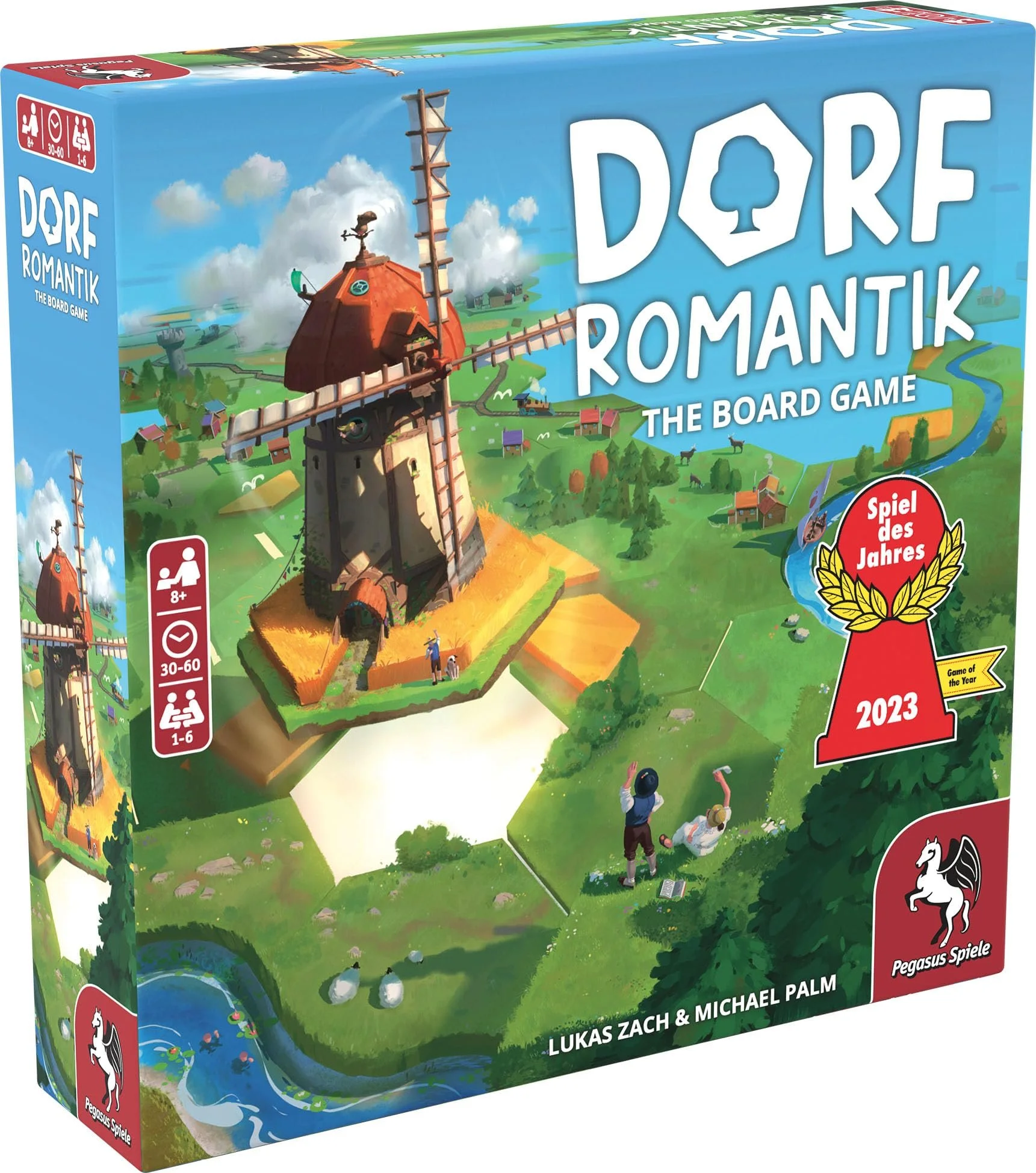
Over holiday break, I finally found my inspiration in Dorfromantic: The Board Game. I was watching some game reviews and learned something that melted my mind: it was impossible to lose a game of Dorfromantic. WHAT? How does a boardgame even function if there is no way to lose?
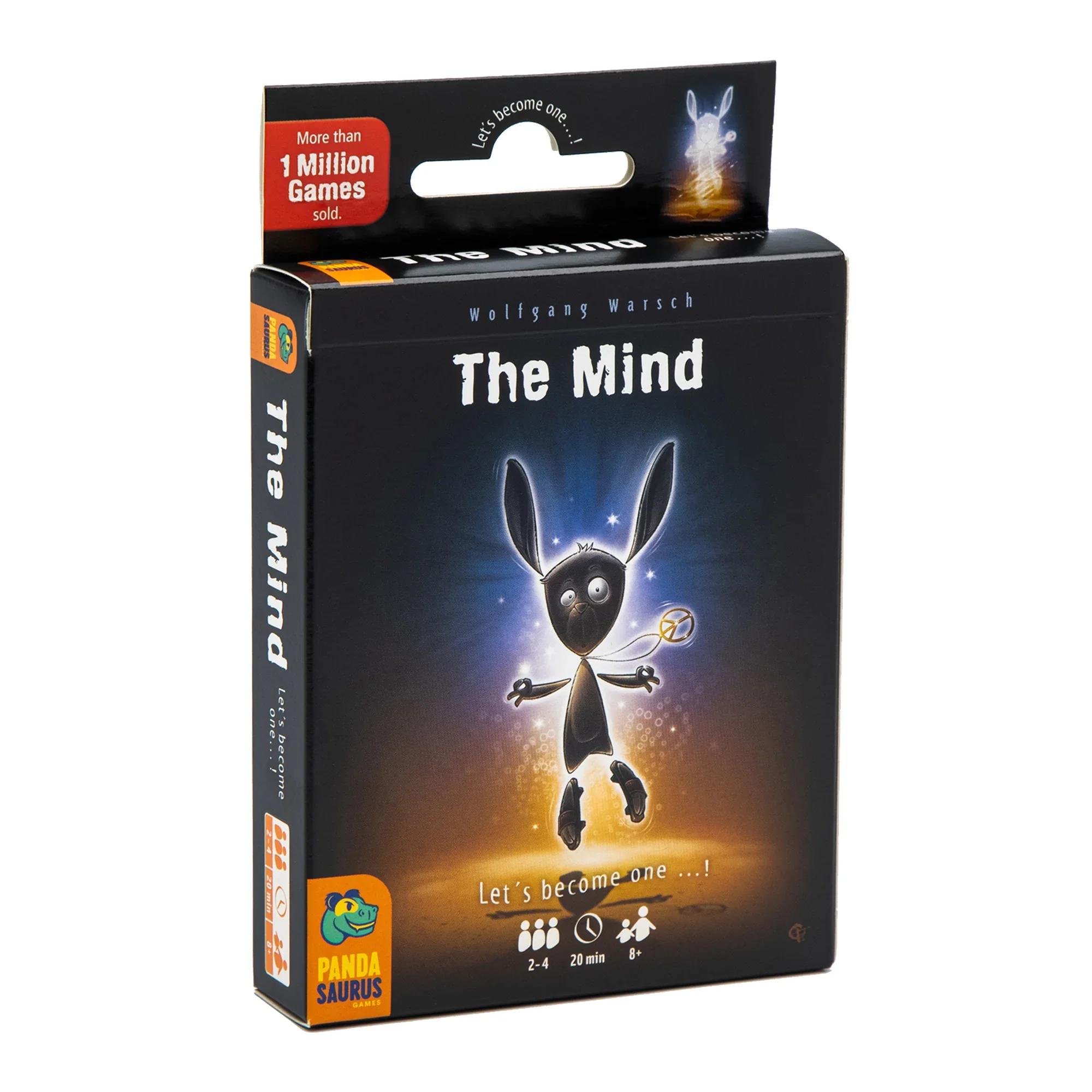
The last time I had experiences a brain-breaking moment like this was when I was introduced to The Mind. On paper The Mind didn’t even sound like a game, but when I played it, I was completely blown away. The game was revolutionary, and made me think about games in an entirely new light.
So, thinking about Dorfromantic, I gave myself a challenge: how would I design a game if the central premise was that you cannot lose? The first thing I thought of was how this is a common theme in video games. Some of my favorites included Animal Crossing, Stardew Valley, or even The Sims.
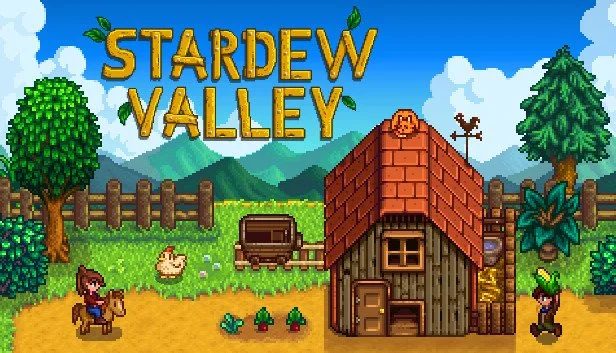
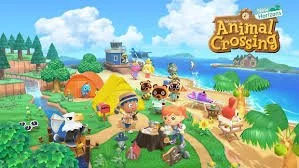
The more I thought about it, the more I realized that I had never played a boardgame that captured the same “cozy” vibe found in these videogames. Most boardgames that claim to be cozy have tense competition, crunchy rules, or punishing mechanics. Yes, they look cozy, but they didn’t have the relaxed energy and open-ended freedom found in cozy videogames.
So how could I do accomplish this?
My main design challenge was to answer the question “if you cannot lose, why are you even playing?” Thinking back to how Animal Crossing handles this, the answer was to give you goals and to make the gameplay rewarding.
The second answer was to make player choice matter. Decisions should have repercussions, and each group’s village should reflect their personality. In addition to choice, it should also let you express your creativity in ways you don’t often see in boardgames.
My third answer to this question was to make the gameplay story centric. I love games like Tales of Arabian Nights, and by injecting similar story into my game, I could make the world feel alive. Residents in your town could have their own goals and ambitions, and the land itself could be full of places to explore and secret to uncover.
Unlike Animal Crossing, I wanted a game that didn’t go on forever. Instead, I wanted different endings based off the choices you’d made throughout the game. (We ended up with 5 endings, each with their own requirements.)
This thought experiment gave me moment-to-moment incentives, rewards, and a grand overarching purpose.
When I returned to the office in January, I had an entire game sitting in my head and I was ready to start making a prototype. Within a week, I had my first playable version.
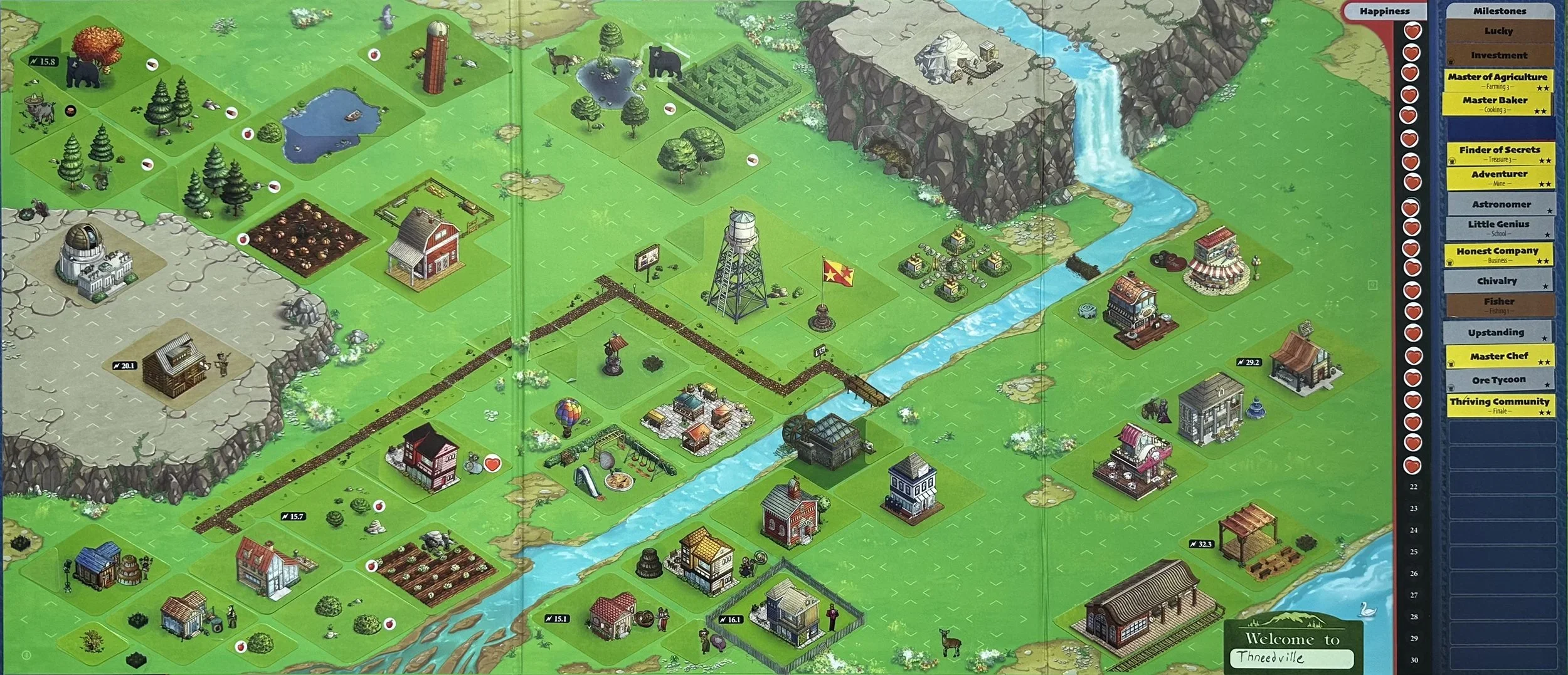
I played it with Josh, and unlike my other recent prototypes, it was full of magic. Sure, the prototype was ugly and full of holes, but the experience was unique, fun, and full of possibilities.
For the first time in many months, I was excited and inspired. There was work to do, but I could already envision what the final game would look like.
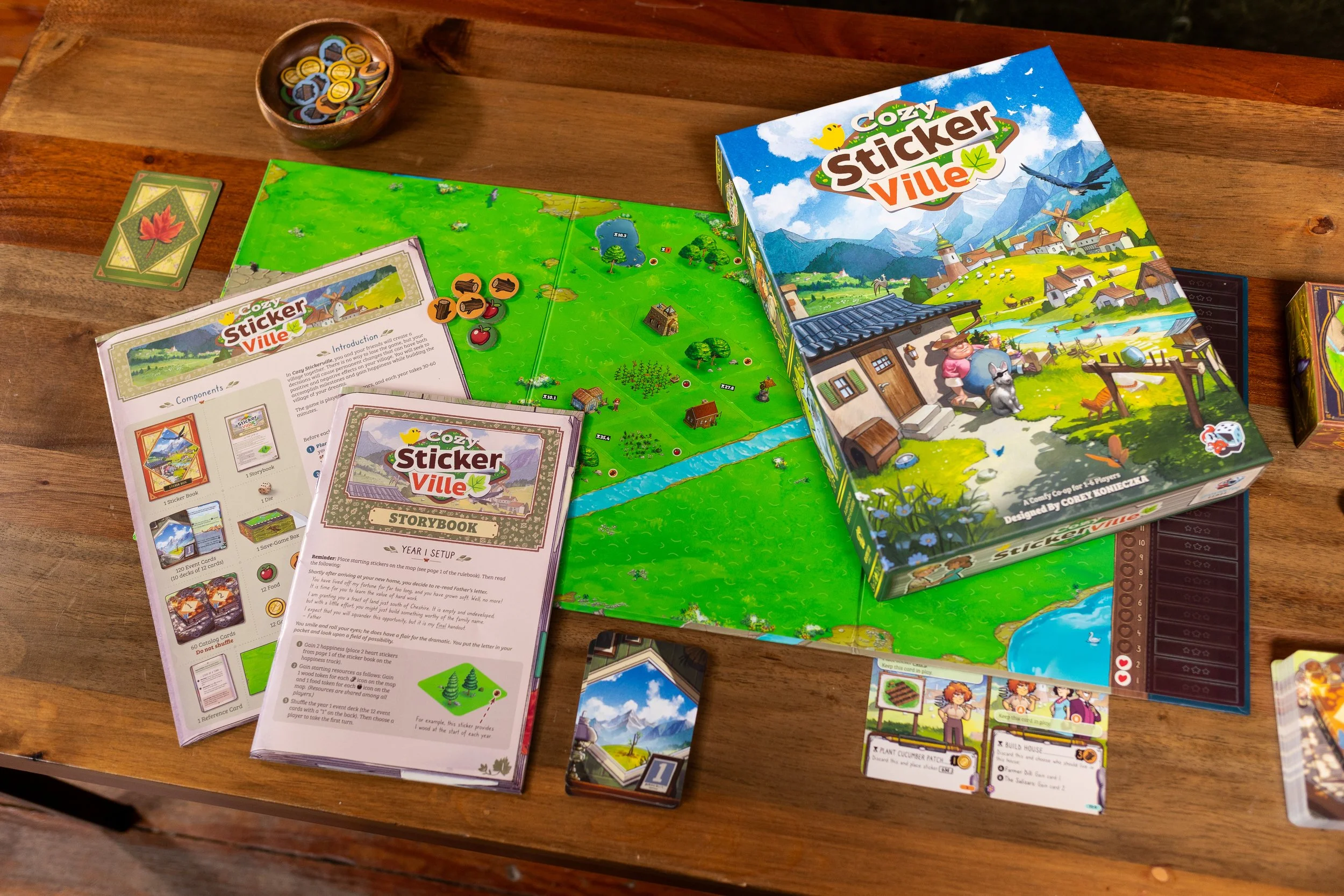
Tune in soon for our next journal in which I talk about the core mechanics and philosophies.
Follow us on Facebook, Instagram, Blusky, Threads, and our website for the most up to date news on Cozy Stickerville!